
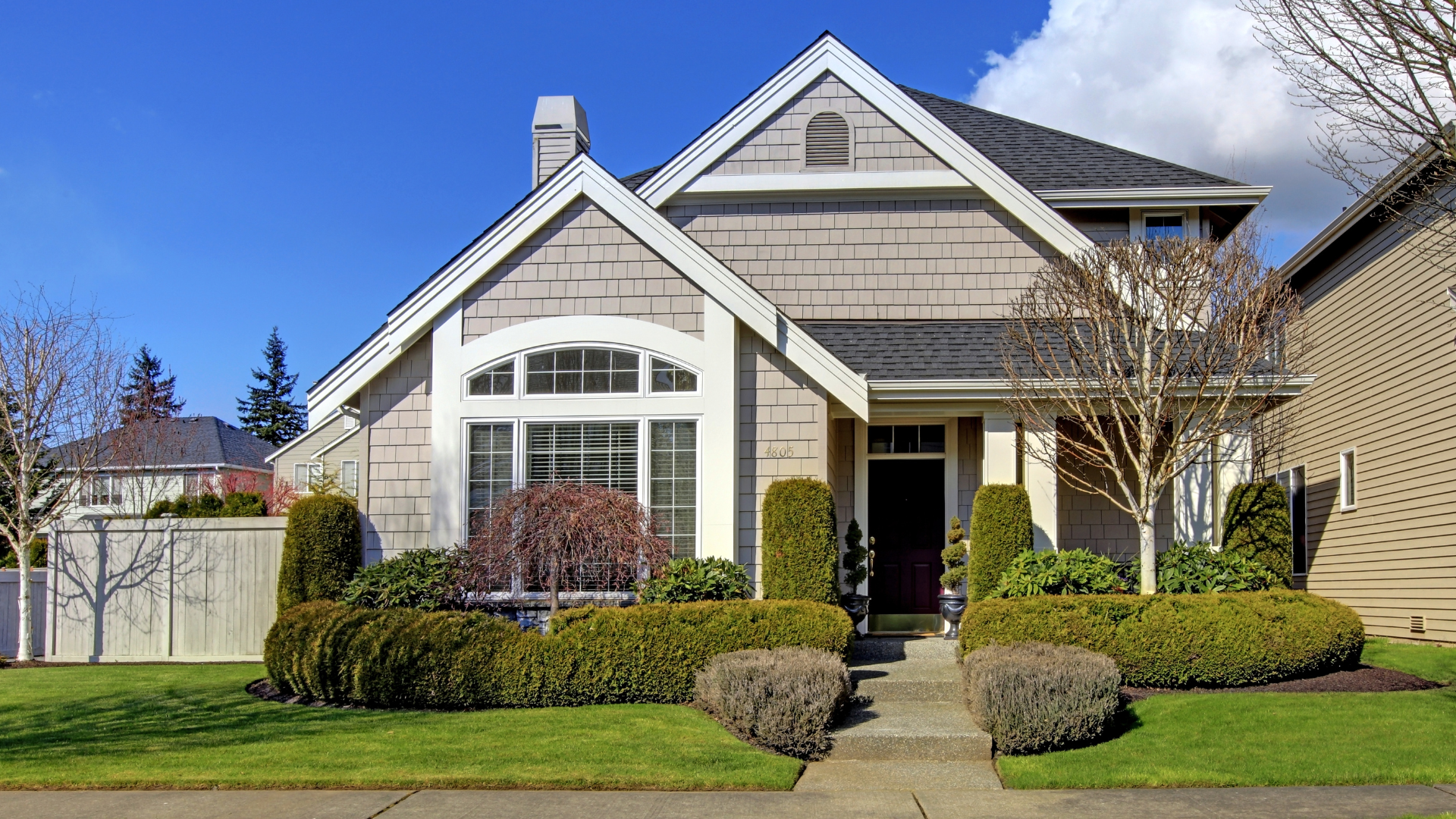
Buyer Home Inspections in Riverside County, CA
A home can look right the moment you walk through the door. The layout works. The neighborhood feels good. The seller’s disclosures look clean. A buyer home inspection gives you the clarity and confidence you need as you finalize your next big decision.
From older homes with years of maintenance history to newer builds, renovated properties, and multi-family houses, our home inspections helps you understand what you are buying before it becomes yours.
At Riverside County Home Inspections, we provide detailed buyer home inspections throughout Riverside County, giving you practical insight, clear documentation, and more confidence before closing.
Schedule your buyer home inspection in Riverside County today and get a clearer look at the home before you move forward.
Home Purchase Inspections Before You Buy
A home purchase inspection is a visual, noninvasive evaluation of the home’s major visible and accessible components. The goal is to help you better understand the property’s condition before closing.
Our inspection covers single-family homes, duplexes, triplexes, and four-unit residential properties.
During a buyer home inspection, your inspector reviews key areas of the home, including the roof, exterior, foundation, plumbing system, electrical system, HVAC system, attic, insulation, interior rooms, garage, and safety features. The inspection report can help you identify visible issues, understand potential concerns, and decide whether to ask follow-up questions, request further evaluation, or discuss next steps with your real estate agent.
A home inspection is not the same as an appraisal, code inspection, or repair estimate. It is a buyer-focused evaluation designed to help you understand what you are purchasing before you finalize one of the biggest investments of your life.
Home Inspection List for Buyers in Riverside County
A home inspection list for buyers can help you understand what should be reviewed before closing, but it should not replace a professional buyer home inspection. A qualified home inspector knows how to evaluate visible and accessible areas of the home, identify potential safety concerns, and flag issues that may need further review before you move forward with the purchase.
During a buyer home inspection, Riverside County Home Inspections reviews the visible and accessible areas of the property, including:
Roofing: We look at visible roof surfaces, roof coverings, flashing, gutters, downspouts, drainage, damaged or missing materials, signs of leaks, and areas that may need further evaluation. In Riverside County, heat, sun exposure, wind, and age can all contribute to roof wear.
Foundation and Structure: We look for visible cracks, settlement concerns, sloping floors, framing issues, wall movement, ceiling cracks, and other signs that may point to structural movement or previous repairs.
Exterior Walls and Stucco: We review siding, stucco, trim, exterior penetrations, paint, sealant, cracks, gaps, and areas where moisture may enter. Stucco cracks, failed sealant, and sun-damaged exterior materials are common concerns for local buyers.
Grading and Drainage: We look at how water appears to move around the home, including grading near the foundation, hardscape slope, visible drainage paths, and areas where water may collect near the structure.
Electrical System: We review the electrical panel, breakers, visible wiring, outlets, switches, GFCI protection, grounding concerns, and visible safety issues. Electrical components should always be evaluated by a professional because improper wiring or outdated equipment can create safety risks.
Plumbing System: We check visible supply lines, drain lines, fixtures, water pressure, water heater condition, visible leaks, corrosion, drainage performance, and signs of moisture around plumbing areas.
Water Heater: We review the visible condition of the water heater, installation, venting when applicable, safety features, corrosion, leaks, age indicators, and the surrounding area. Hard water in parts of Southern California can contribute to scale buildup and water heater wear.
HVAC System: We look at heating and cooling equipment, thermostat operation, airflow, visible ductwork, filters, condensate drainage, and signs of poor maintenance or system wear. Because cooling systems work hard through Riverside County’s long warm seasons, HVAC condition is an important part of the inspection.
Attic and Insulation: We inspect accessible attic areas for ventilation, insulation condition, visible roof sheathing concerns, signs of past leaks, moisture, pest activity, damaged materials, and unsafe conditions.
Interior Rooms: We review walls, ceilings, floors, stairs, doors, windows, trim, closets, and visible surfaces for signs of damage, movement, stains, cracks, moisture, or other concerns.
Bathrooms and Kitchens: We check sinks, faucets, drains, toilets, tubs, showers, ventilation, cabinets, counters, appliance connections, visible plumbing, moisture concerns, and signs of water damage.
Windows and Doors: We look at operation, visible damage, seals, locks, frames, weatherstripping, cracked glass, moisture staining, and signs of movement or poor installation.
Garage: We review garage door operation, safety sensors, openers, visible fire separation concerns, walls, ceilings, floors, outlets, stairs, and other accessible garage components.
Safety Features: We look for visible safety concerns involving smoke detectors, carbon monoxide detectors, handrails, stairs, trip hazards, garage safety features, electrical hazards, and other issues that may affect the safety of the home.
Moisture or Water Damage: We look for stains, soft spots, musty odors, drainage problems, roof leak indicators, plumbing leak indicators, and signs of current or previous water intrusion.
Pest or Wood Damage Indicators: We look for visible signs that may point to pest activity, damaged wood, moisture-related deterioration, or areas that may need further evaluation by a pest or termite specialist.
While this list can help you understand what a home inspector looks for, many issues are easy to miss during a walkthrough. Safety concerns, structural movement, moisture problems, electrical components, roofing concerns, and major home systems should be evaluated by a professional.
What a Home Inspection Can Show Before Closing
A home inspection can give buyers a clearer look at the visible and accessible condition of the property before closing. During the inspection, your inspector reviews major areas of the home, documents findings with photos, and notes conditions that may need repair, maintenance, monitoring, or further evaluation by a qualified specialist.
This can be especially useful in Riverside County, where homes vary widely by age, construction style, condition, and maintenance history. Some properties were built decades ago, while others are newer tract homes, flipped properties, manufactured homes, or renovated houses with updates that may not be easy to evaluate during a showing.
Before closing, a home inspection can help identify visible conditions related to:
Long periods of heat and sun exposure that may affect roofing, exterior materials, seals, caulking, and paint
HVAC systems that work through extended warm seasons
Stucco cracks, exterior wear, or signs of moisture entry around windows, doors, and wall penetrations
Grading and drainage concerns near the foundation, slab, patios, walkways, or hardscaping
Older plumbing, electrical, roofing, insulation, or ventilation components
Newer homes or flipped homes with installation issues, rushed repairs, or incomplete work
Deferred maintenance that may not be obvious during a showing
A pre-purchase home inspection can provide key documentation as you make your final decision on the home.
Buyer Home Inspections Throughout Riverside County
Riverside County includes older homes, newer developments, renovated properties, mobile and manufactured homes, and houses with years of maintenance history. Riverside County Home Inspections provides buyer home inspections in:
Surrounding Riverside County communities
If you are buying a home in Riverside County, we can help you better understand the property before you move forward.
Schedule a Buyer Home Inspection Before You Close
Working with a professional home inspector before buying a house helps you get an objective look at the property before making a final decision. Following the inspection, clients receive a detailed digital report that includes clear descriptions of findings, supporting photographs, and professional recommendations.
Your inspection report can help you understand what was reviewed, what visible concerns were found, and which issues may need further evaluation by a specialist.
At Riverside County Home Inspections, we help buyers throughout Riverside County inspect homes before closing. Whether you are purchasing your first home or comparing multiple properties, we provide clear inspection findings so you can ask better questions and move forward with more confidence.
Schedule your buyer home inspection in Riverside County today to get a clearer understanding of the home before you close.
Buyer Home Inspection FAQs
-
A buyer home inspection is usually not legally required, but it is highly recommended. An inspection gives you more information about the home before closing and can help you identify visible concerns that may not be obvious during a showing.
-
Most buyers schedule the inspection after their offer is accepted, during the inspection period, and before closing. Scheduling early gives you more time to review the inspection report, ask follow-up questions, discuss findings with your real estate agent, and decide your next steps.
-
A pre-purchase home inspection typically covers the visible and accessible parts of the home. This may include the roof, exterior, foundation, attic, insulation, plumbing, electrical system, HVAC system, interior rooms, garage, drainage, moisture concerns, and potential safety issues.
Some items may require additional evaluation from a specialist. For example, a general home inspection may identify visible concerns with the roof, pests, mold, or structural movement, but further inspection may be recommended when a more detailed review is needed.
-
In most cases, the buyer pays for the home inspection because it is ordered to help them better understand the property before closing. However, every purchase agreement is different, so buyers should confirm details with their real estate agent.
-
Buyer home inspections start at $325, but the final cost can vary based on the home’s size, age, location, accessibility, and any additional inspection needs. The best way to get accurate pricing is to request a quote for the specific property you are buying.
-
Yes. Inspection findings may help buyers ask follow-up questions, request repairs, negotiate credits, request further evaluation, or make a more informed decision. What you can negotiate depends on the purchase agreement, inspection findings, and local real estate process.
-
Yes. Newer homes can still have installation issues, drainage concerns, moisture problems, HVAC concerns, roof defects, electrical issues, or overlooked maintenance items. A buyer home inspection can help you identify visible concerns before closing, even if the home looks clean and well-maintained.

Want to Know What It Costs?
Inspection pricing starts at $325 for smaller homes. Get transparent pricing with no surprises.